


14 Fevereiro, 2025
Artigo de Fernando Díaz, diretor de Infraestruturas da Incatema, por ocasião do Dia Mundial da Energia.
Todos os anos, a 14 de fevereiro, assinala-se o Dia Mundial da Energia, uma ocasião para refletir sobre a importância do uso eficiente dos recursos energéticos e o seu impacto em setores fundamentais como a gestão da água. A energia desempenha um papel decisivo no ciclo da água, desde a captação e o tratamento para consumo humano até ao transporte e tratamento das águas residuais. A crescente escassez de água e a necessidade de modelos sustentáveis tornam essencial o desenvolvimento de tecnologias que otimizem tanto o consumo de energia como a utilização responsável da água. Neste contexto, a digitalização, as energias renováveis e os sistemas de eficiência energética estão a transformar a forma como gerimos este recurso vital, reduzindo a pegada ambiental e promovendo um acesso mais equitativo à água.
A aplicação de tecnologias inteligentes já está a otimizar o consumo de energia
Em Espanha, a digitalização e a implementação de tecnologias inteligentes ganham cada vez mais relevância nas infraestruturas de gestão da água para otimizar o consumo de energia. A instalação de sensores inteligentes (IoT) permite monitorizar em tempo real as redes de abastecimento e saneamento. A análise de grandes volumes de dados permite detetar fugas, prever padrões de consumo e otimizar a distribuição de água.
As redes de água inteligentes recorrem a tecnologias avançadas de automatização e controlo remoto, essenciais para melhorar a eficiência operacional das instalações e reduzir as perdas na rede. A inteligência artificial (IA), já aplicada em estações de dessalinização e de tratamento de águas residuais, ajuda a ajustar os processos à procura e, assim, a reduzir o consumo energético.
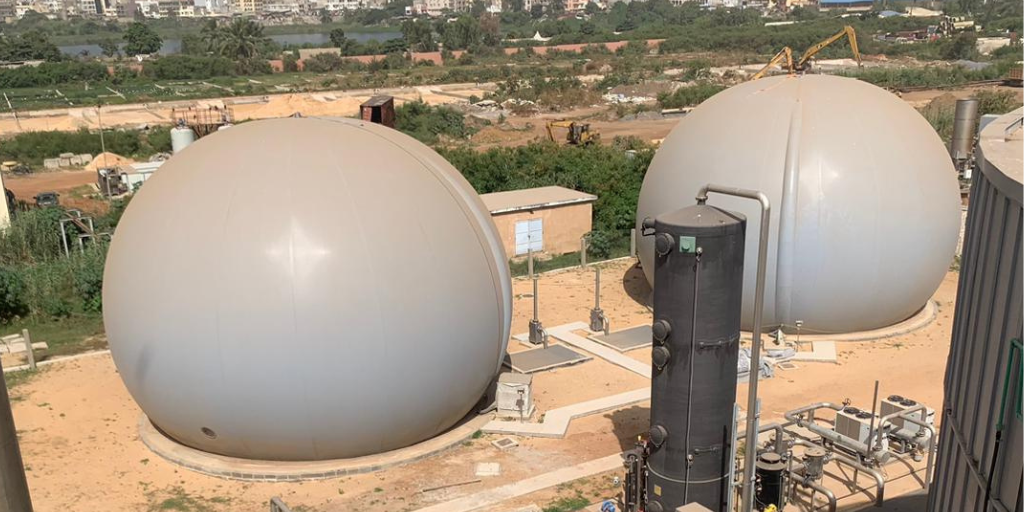
A integração de baterias e sistemas de armazenamento de energia nas infraestruturas hídricas também é importante, pois permite gerir melhor a energia utilizada na bombagem e no tratamento da água, reduzindo a dependência de fontes convencionais. É o caso do biogás gerado nas estações de tratamento de águas residuais (ETAR), que se está a tornar uma fonte relevante de energia renovável. Através da digestão anaeróbia, as lamas produzidas no tratamento geram biogás que pode ser utilizado para produzir eletricidade ou calor, favorecendo o autoconsumo energético e reduzindo a pegada de carbono destas instalações.
O futuro da tecnologia na gestão da água
À medida que as alterações climáticas e a pressão sobre os recursos hídricos aumentam, a tecnologia continuará a desempenhar um papel crucial. Nos próximos anos, prevê-se que a inteligência artificial e a aprendizagem automática sejam fundamentais para otimizar as infraestruturas. Estas tecnologias permitirão analisar grandes volumes de dados em tempo real, melhorando a previsão da procura, a deteção de anomalias nas redes de abastecimento e a automatização dos processos. Graças à IA, as infraestruturas hídricas poderão adaptar-se mais rapidamente a condições variáveis, otimizando o consumo de energia e reduzindo o desperdício de água.
Ao mesmo tempo, a nanotecnologia poderá transformar os sistemas de filtração e purificação da água. Baseada na manipulação de materiais à escala nanométrica, permite desenvolver membranas avançadas capazes de remover contaminantes com maior eficácia e menor consumo de energia. Estas inovações incluem nanomateriais com propriedades antimicrobianas e membranas ultrafinas que melhoram a eficiência da dessalinização e da produção de água potável. Com o tempo, estas tecnologias poderão tornar os processos de tratamento mais acessíveis e sustentáveis.
As energias renováveis terão um papel central no abastecimento das infraestruturas hídricas. A combinação de energia solar, eólica e hídrica com sistemas avançados de armazenamento contribuirá para um fornecimento de energia mais estável e sustentável no setor da água. Além disso, o desenvolvimento de sistemas híbridos permitirá reduzir a dependência de fontes convencionais, diminuir a pegada de carbono e aumentar a resiliência das infraestruturas.