


23 April, 2026
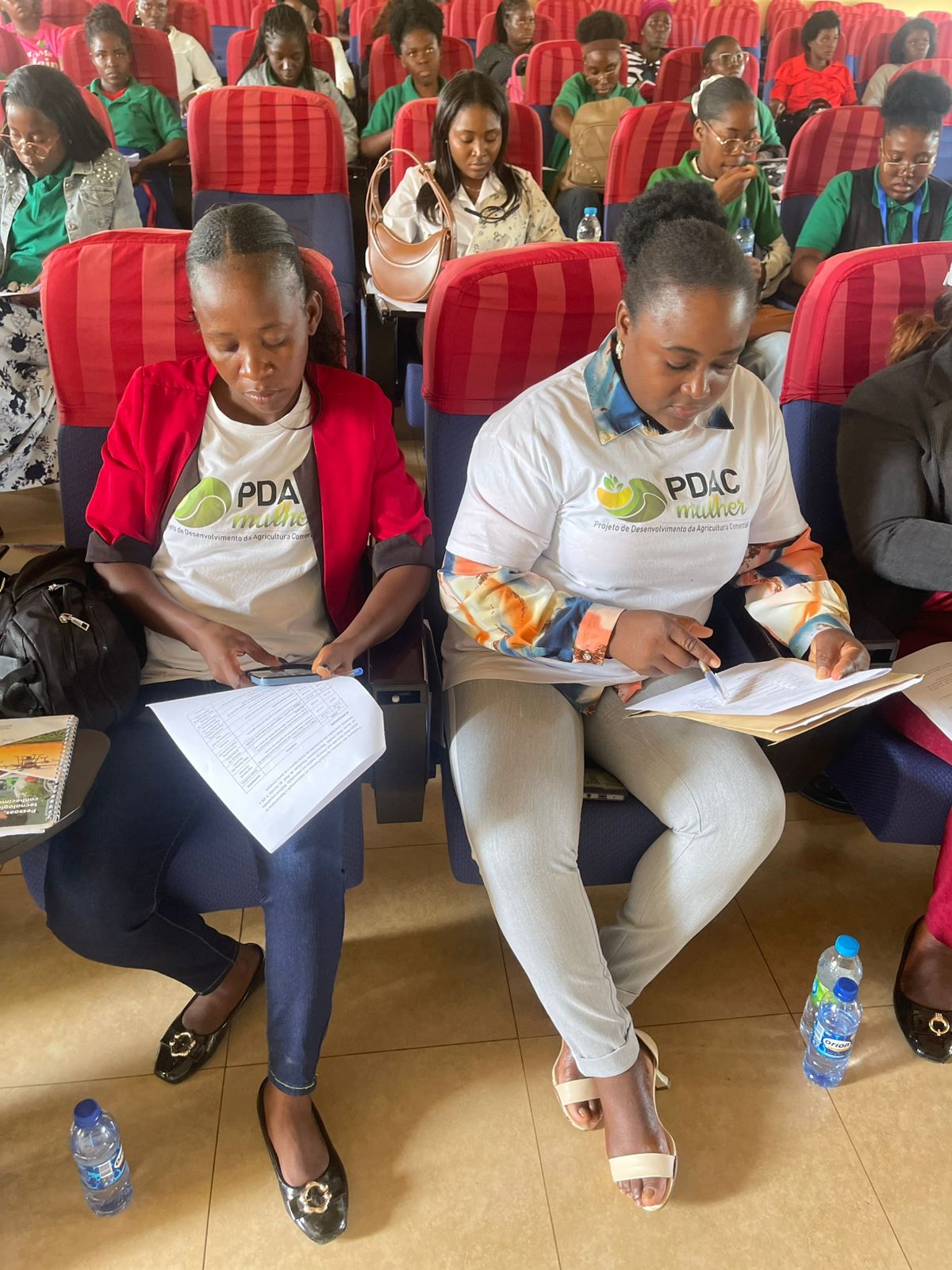
Incatema has reinforced its commitment to inclusive development and the empowerment of women through a strategic training event held on 16 April in the city of Ndalatando (Angola) as part of the technical assistance the company provides to the Business Plan (a project for the implementation of business plans), within the Commercial Agriculture Development Programme (PDAC).
Training to strengthen female entrepreneurship
The event brought together more than 50 women entrepreneurs from the provinces of Malanje and Cuanza Norte, marking a milestone in the six years of continuous technical assistance that Incatema has provided to the Business Plan, within the Commercial Agriculture Development Programme in the African country. The event aimed to strengthen management and business development skills in the agricultural sector, with a particular focus on women’s leadership, as part of the latest phase of the programme’s technical assistance process.
During the training, participants acquired key knowledge in areas such as:
A strategic focus of the PDAC programme
This meeting forms part of one of the main cross-cutting themes of the Business Plan: promoting the inclusion of women and young people in the management of agricultural enterprises and fostering agricultural production and processing, thereby contributing to Angola’s economic and social growth.
Incatema’s commitment to equality
In the words of Mr Luciano Palmitesta, Team Leader at Incatema, “this event represents a further step in Incatema’s commitment to strengthening Women in Business sector in Angola. The achievements made through the Business Plan demonstrate that training and technical support are key tools for promoting women’s economic autonomy and generating a sustainable impact in rural communities”.
Mr Luciano Palmitesta also emphasised that “for Incatema, the empowerment of women is not only a strategic priority, but an essential element for inclusive development. Investing in women’s talent means investing in more equitable, resilient and prosperous societies”.
Through initiatives such as this, Incatema continues to consolidate its role as a key player in the implementation of international development programmes, highlighting the role of women as drivers of economic and social transformation.