


13 February, 2026
The World Energy Day
By Mr Fernando Díaz, Director of Incatema's Infrastructure Area
Every 14 February, we celebrate the World Energy Day, a date that invites us to reflect on how we manage resources and what role infrastructures play in building a more sustainable future. From Incatema, this day takes on a special meaning: our works not only seek to solve immediate needs, but also to anticipate solutions that reduce energy consumption, optimise processes and guarantee a responsible use of water, energy, as well as natural resources.
In recent years, we have promoted projects that integrate efficiency criteria from their conception onwards. An outstanding example is the Drinking Water Treatment Plant (DWTP), which is becoming increasingly important in emerging countries. These infrastructures, essential to guarantee access to quality drinking water, incorporate technologies that minimise losses, can reduce the use of fossil fuels by implementing renewable energy sources, and optimise drinking water treatment processes. Water and energy efficiency are, in this area, two sides of the same coin.
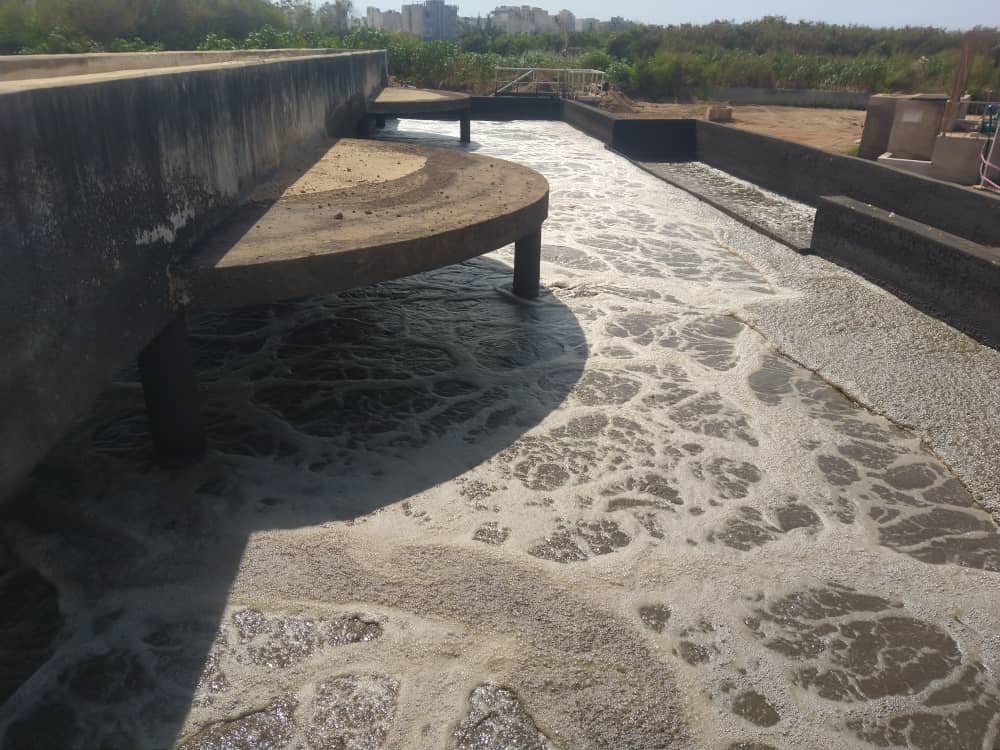
An example of this is the Cambérène Wastewater Treatment Plant (WWTP) in Dakar. This facility, one of the most important in West Africa in this field, incorporates anaerobic digesters that generate biogas, which is used as fuel for electricity production, thus reducing dependence on external energy and contributing to the plant's self-sufficiency. The modernisation of aeration systems - one of the most energy-intensive processes in a WWTP - has been designed to maximise efficiency through high oxygen transfer diffusers and intelligent load control.
Energy efficiency is also promoted through the incorporation of photovoltaic energy in supply and sanitation infrastructures. In several projects executed by Incatema, especially in rural and peri-urban environments, solar systems have been installed to power pumping, remote control and chlorination stations. This is the case of the photovoltaic installation carried out in the project for the expansion and rehabilitation of the drinking water system in L'Azile (Haiti), where we incorporated 32 polycrystalline solar panels. This installation allows direct, autonomous, high-performance solar pumping even in low radiation conditions, ensuring sustainable energy for a network that supplies more than 30,000 people and eliminating the need for storage tanks, reducing costs and improving operating efficiency. The system also integrates intelligent pumping control, maximum power point monitoring and mechanisms that prevent unnecessary start-ups, optimising energy consumption and ensuring stable operation in accordance with the clean energy and safe water goals established in the 2030 Agenda.
These solutions reduce dependence on diesel generators, stabilise energy supply, and lower operating costs. The integration of photovoltaics not only provides autonomy but also improves the continuity of service in areas where the electrical grid is limited or unstable.
In short, energy efficiency is not just a technological issue. At Incatema, we work to ensure that every infrastructure - from a treatment plant to a certification system or an international cooperation program - incorporates sustainability, resilience and resource optimisation criteria. Our commitment is clear: to design and execute projects that generate positive impact today without compromising tomorrow.
On this World Energy Day, we reaffirm our conviction that infrastructure is a powerful tool for transforming realities. We will continue to advance, innovate and collaborate with public and private institutions to build a more efficient, more sustainable and fairer future.