


26 June, 2025
Incatema starts a new consultancy in Angola, aiming at designing the Higher Institute of Educational Sciences of Uíge (ISCED), as part of the TEST Project led by the Ministry of Higher Education, Science, Technology and Innovation.
The TEST Project is a comprehensive initiative aimed at addressing the country’s urgent challenges in higher education and human capital development, particularly among young people. It is funded by the World Bank, the Global Partnership for Education, and the Government of Angola.
The new educational facility will contribute to training teachers and, consequently, the region’s educational development. For its design, Incatema will identify the necessary structures and functions for an effective service provision of ICSED, carry out preliminary geotechnical and topographical studies, and develop the constructive project. This includes proposing design alternatives, preparing the executive project (facilities and equipment), cost estimates, and the tender documents required for construction.
In June, we began identifying and assessing the site where the new ICSED will be located. The remainder of the tasks will be completed over an estimated period of six months, including an environmental and social impact study.
Minimalist and functional design to ensure sustainable management
For this Institute, Incatema advocates a design based on minimalist and functional architectural principles to ensure sustainable and environmentally responsible management. This approach draws on the company’s prior experience in designing and equipping training infrastructure in Angola, particularly through the construction of the Professional Training Centre for Fisheries and Navigation in Luanda (CEFOPESCAS). That centre is a complex that combines traditional building systems with the most innovative techniques, providing the buildings with maximum energy efficiency and minimal maintenance — an environmentally sustainable alternative well-suited to the extreme humidity and heat conditions of Luanda.
An eco-campus to reduce the environmental footprint
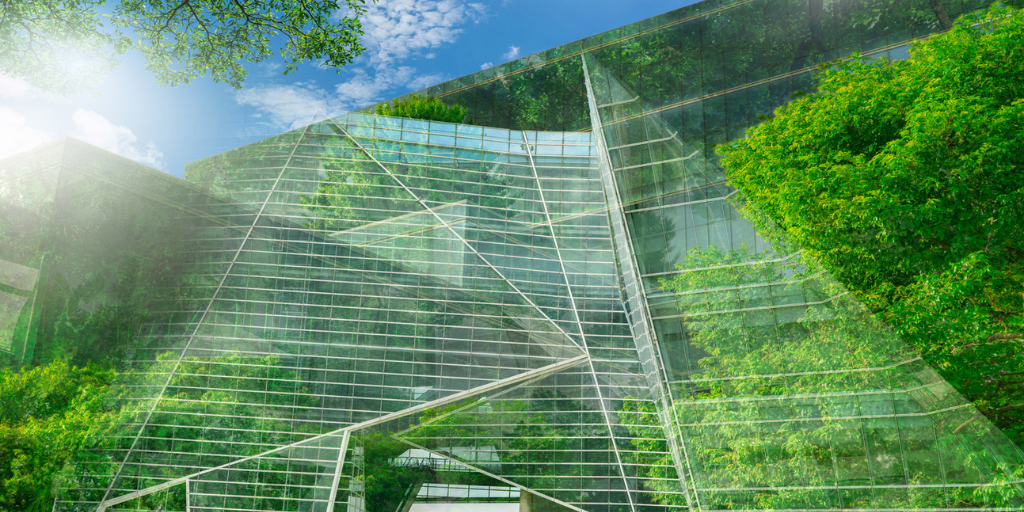
In line with this approach and following the philosophy of an “eco-campus”, Incatema will adopt a holistic strategy to reduce the project’s environmental footprint. This includes the use of passive design strategies such as optimal building orientation, natural ventilation, natural lighting, and vegetation to minimise energy consumption. Sustainable materials will be selected for their durability, low environmental impact, and aesthetic qualities, ensuring that the campus is both environmentally friendly and visually appealing.
In this regard, Incatema, in coordination with TEST Project and other stakeholders, will ensure that the design aligns with the project's objectives and the identified needs for ISCED. At the same time, this consultancy contributes to the achievement of Sustainable Development Goals no. 4 (Quality Education), 9 (Industry, Innovation and Infrastructure), and 13 (Climate Action).