


21 March, 2025
World Water Day
By Fernando Díaz, Director of Infrastructure at Incatema
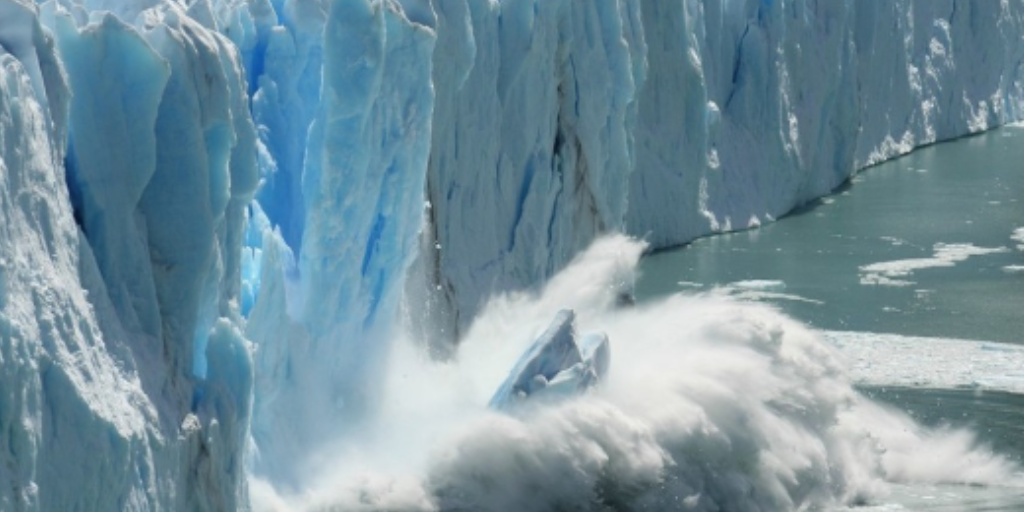
March 22 marks the celebration of World Water Day, and this year's theme focuses on the preservation of glaciers.
The melting of glaciers is a phenomenon that has gained significance in recent decades due to its impact on the global environment.
Glaciers are important reservoirs of fresh water. This is why their preservation is essential—not only for biodiversity, but also for the human communities that depend on their seasonal melting for water supply. At the same time, they play a crucial role in maintaining the Earth's climate balance. However, various factors have accelerated their melting, raising serious concerns about the global consequences.
The conservation of glaciers is, therefore, a crucial issue in the context of climate change and environmental sustainability. It is closely linked to the promotion of efficient water use, particularly through hydraulic infrastructure, which plays a key role in the management and distribution of water resources.
It is also important to highlight that glaciers act as natural reservoirs of fresh water, as their seasonal melting provides vital water flows to rivers and watersheds, which are essential for drinking water supply, agriculture, and energy generation.
As glaciers melt and shrink in volume due to climate change, hydraulic infrastructure can play a crucial role in mitigating the effects of this loss. In many regions, hydraulic systems such as reservoirs, dams, and water storage facilities help regulate and distribute water more efficiently—especially in areas where glacier melt is a primary source of water during certain times of the year.
The construction of such infrastructure is essential, as it allows for more controlled management of meltwater, ensuring that communities dependent on these resources can still access water even as glaciers continue to retreat.
Additionally, hydraulic infrastructure can provide alternatives to exclusive dependence on glaciers by storing large amounts of water during times of abundance (when meltwater is higher) and gradually releasing it during periods of drought.
Moreover, the conservation of glaciers is essential to maintaining a constant and healthy flow in hydrological systems.
Protecting these ecosystems will therefore help ensure the long-term sustainability of hydraulic infrastructure, as the quantity and quality of available water will be crucial for infrastructures dependent on glacier meltwater.
Another notable point is that the loss of glaciers contributes to global warming, as the absence of ice to reflect the sun's rays leads to a shift in the planet's climate, resulting in prolonged drought periods and an increase in torrential rainfall.
It is in this scenario where countries with warm climates, such as those in equatorial and tropical regions, particularly suffer the consequences of global warming. And it is in these countries, mostly emerging economies, where Incatema has a commitment to preserve and properly manage the available water resources.
Senegal, Angola, São Tomé and Príncipe, Cameroon, the Dominican Republic, and many other countries need river channelling works, water treatment plants, irrigation systems, wastewater treatment stations, and other infrastructures that help optimize the water cycle and, to the extent possible, reverse the effects of global warming and climate change.
In summary, the conservation of glaciers and the development of hydraulic infrastructure are complementary: while hydraulic infrastructures help manage water efficiently, the protection of glaciers ensures a constant flow of water for these works, thus supporting water use in various sectors, from agriculture to energy generation.
By contributing to the reduction of pollution, the loss of drinking water, and the conservation of glaciers, we can achieve a planet where it is not the emerging countries that bear the consequences of climate change.