


3 June, 2025
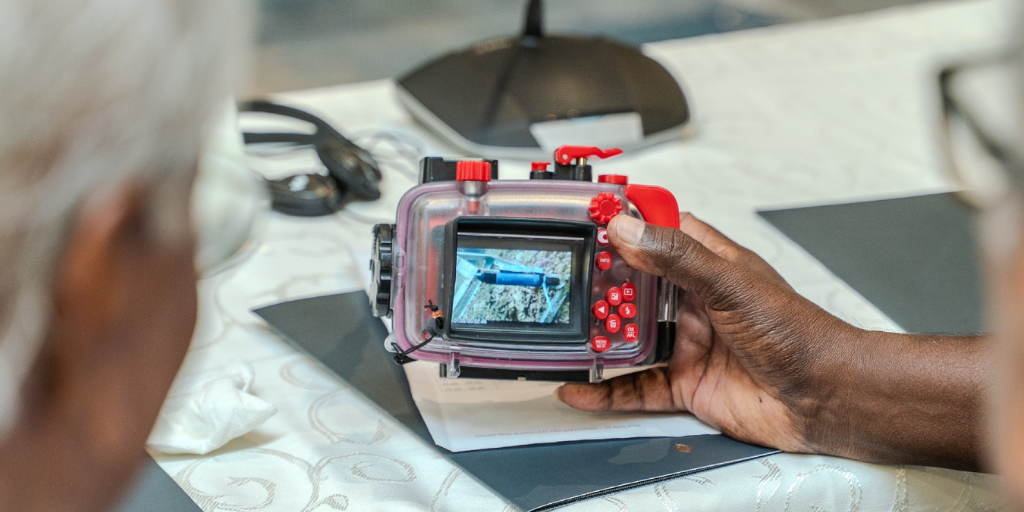
The ECOFISH programme, with technical support from Incatema and in collaboration with the Mauritius Oceanography Institute (MOI), has delivered specialised devices for the collection of physico-chemical data from the marine environment and conducted a training workshop for research institutes. The initiative aims to strengthen the capacities of technical experts from six countries in the region: Comoros, Kenya, Madagascar, Mauritius, Seychelles, and Tanzania.
The equipment delivered to the research institutes consists of HOBO sensors, capable of recording physico-chemical parameters such as temperature, pH, oxygen levels in the water, and salinity, thereby contributing to the sustainable management of marine resources.
The collection of data at sea and the analysis of satellite imagery will make it possible to assess the vulnerability of fishing communities and identify the most effective adaptation strategies. The objective is to strengthen the resilience of the sector to the impacts of climate change and to contribute to more effective and sustainable public policies.
To ensure greater effectiveness, the devices will need to remain submerged for at least one month to allow for proper data collection.
Over €258 billion in losses in the region due to climate change
The western Indian Ocean basin is warming faster than other oceans, which will affect its future productivity and, consequently, the livelihoods and economic security of those who depend on the sea for their survival.
Recent observations report the devastating effects of global warming on the populations of countries in the region. According to the Economic Commission for Africa, the losses and damages caused by climate change on the continent are estimated to range between €258 billion and €391 billion between 2020 and 2030.
According to the FAO, by 2050 catches in exclusive economic zones could decline by between 2.8% and 5.3%, further threatening small-scale fishers and already marginalised coastal communities.
The delivery of equipment and the training workshop form part of the activities of the Regional Observatory for Climate Change Adaptation of the countries in the southwest Indian Ocean, supported by the European Union (EU) in collaboration with the Indian Ocean Commission (IOC).
Launched in February 2024 and led by the MOI, the Regional Climate Observatory seeks to improve understanding of how climate change affects artisanal fishing in the southwest Indian Ocean by observing, collecting, analysing, and sharing vital data.
Currently, the observatory brings together seven countries: Comoros, France/Reunion, Kenya, Madagascar, Mauritius, Seychelles, and Tanzania.