


15 November, 2024
Incatema has been awarded “lot 1” of the project for the development of the Nianija Bolong basin in the Kaffrine region (Senegal), a work for the Office of Lakes and Watercourses (OLAC) of the Ministry of Water and Sanitation with a budget of 25.8 million euros.
These works are part of the Senegalese government's Water Resources Mobilisation Project (PROMOREN) for agro-forestry and pastoral development and for the preservation of rural ecosystems in river basins through the construction of hydraulic infrastructures to ensure the development of agricultural and livestock activities notwithstanding the severe droughts that the country has suffered, and the protection of fresh surface water by preventing the intrusion of salt water from the Gambia River.
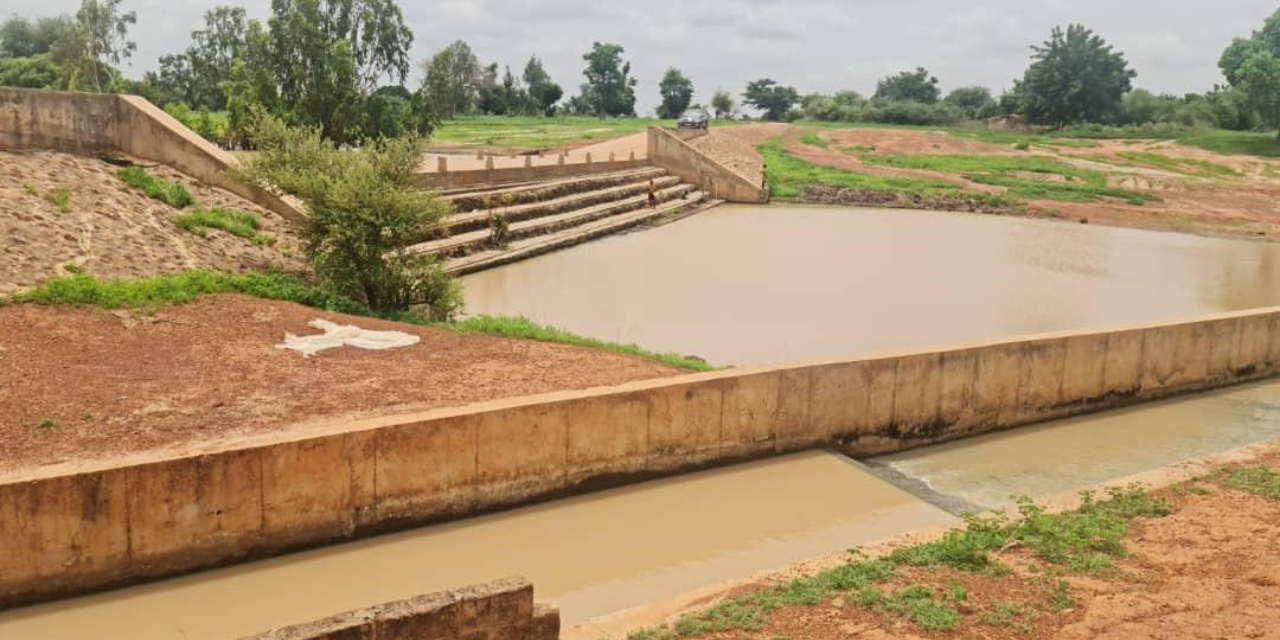
Incatema will be responsible for the adequacy of the riverbed for 36 km, optimising water resources, increasing storage capacity, reducing evaporation and preventing flooding of farmland and surrounding populations. In addition, it will build a new 140-metre-long anti-salt dam and another 175-metre-long dam on the Ko Socé, a tributary of the main channel. The project also includes the construction of 60 new water catchments and seven flood protection drainage works, as well as the construction of a 525-metre long and 60-metre wide fish pond.
In addition, the company will be responsible for the site preparation and construction of temporary infrastructures to ensure both the movement of people and goods by road and the continuity of the water flows during the construction or rehabilitation of the various hydraulic structures.
Mr Fernando Díaz, Infrastructure Director of Incatema, points out that "these works are essential as a way of adapting to climate change in a country marked by erratic and variable rainfall in time and space, so investing in water infrastructure is essential to achieve a balance between the development of productive activities and environmental management".
According to the Senegalese government, the impact of these works will result in the mobilisation of 46 million m3 of water per year, the restoration of wetland ecosystems in the region, the development of 1,200 hectares of irrigated land, an increase in agricultural, livestock and fishing income, and the creation of 60,000 direct and indirect jobs, 50% of which will be women and young people.