


9 September, 2024
By Ana González, agronomist.
Every 9 September, World Agriculture Day is commemorated around the world, an event that serves as a reminder of the fundamental role of this ancestral activity in feeding the world's population, which is constantly growing and whose resources are increasingly limited due to climate change.
The consequences of this phenomenon -climate change- particularly affect Africa, which faces a critical challenge: how to feed a rapidly growing population (estimated by the UN to reach 2.5 billion by 2050) while ensuring that agriculture, its economic mainstay, is sustainable in the medium and long term. Sustainable commercial agriculture is not only key to meeting the continent's high food demand, but also to driving economic development, reducing poverty and mitigating the effects of climate change.
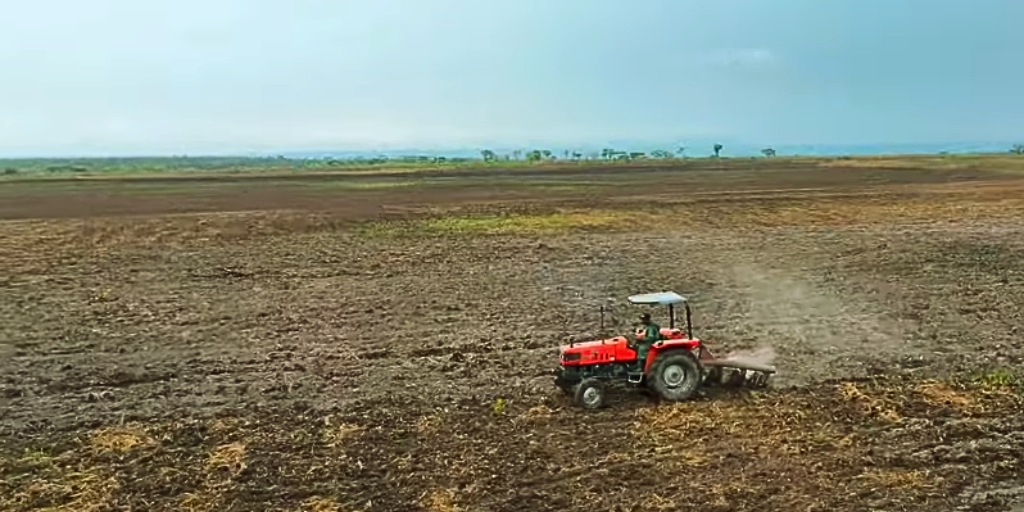
There are many challenges facing agriculture in Africa to be improved and achieve sustainability. One of the main ones is to improve access to financial resources, mainly for small farmers, as without financing it is difficult to invest in quality inputs, machinery and advanced technologies. Hence the importance of international entities such as the World Bank financing commercial agriculture development programmes, as is the case in Angola, with technical support from Incatema.
Another major challenge is to have an efficient transport infrastructure. Currently, the lack of adequate roads and efficient transport systems makes it expensive and difficult to move agricultural products from rural areas to urban and export markets. The same applies to the cold chain: the lack of storage and post-harvest processing facilities leads to significant losses, mainly in perishable products, affecting the profitability of commercial agriculture.
Urgent need for technology transfer and bridging the knowledge gap
The adoption of modern agricultural technologies, notably the implementation of efficient irrigation, is urgently needed in emerging countries on the African continent. These technologies would enable farmers to make optimal use of limited resources, ensuring that agriculture is not only viable in the present, but also resilient and prosperous in the future. Applying controlled irrigation or drip irrigation is essential to address the current challenges of water scarcity and climate change, as well as to increase agricultural productivity, food security, conserve water resources and improve long-term sustainability.
The application of technological innovations leads directly to another challenge: overcoming the knowledge gap. In general, there is a deficit of specialised and adequate training for smallholder farmers in advanced farming techniques, crop management and sustainable practices, which limits their ability to maximise productivity.
These are just some of the challenges facing agriculture in Africa to develop sustainably. Overcoming them would require governments, businesses and non-governmental organisations to work together, through public-private partnerships, in a holistic approach that includes investment in infrastructure, access to finance, farmer training and adoption of appropriate technologies. In addition, it is essential to address the challenges of climate change and environmental sustainability to ensure that agriculture is not only productive, but also resilient and able to sustain economic and social growth in the long term.