


24 January, 2026
This January, the world celebrates International Education Day, a date that invites reflection on how learning environments influence the quality of education and the development of societies. At Incatema, this day takes on a special meaning: our track record shows that architecture can become a transformative tool when it is designed with people, education and the future in mind.
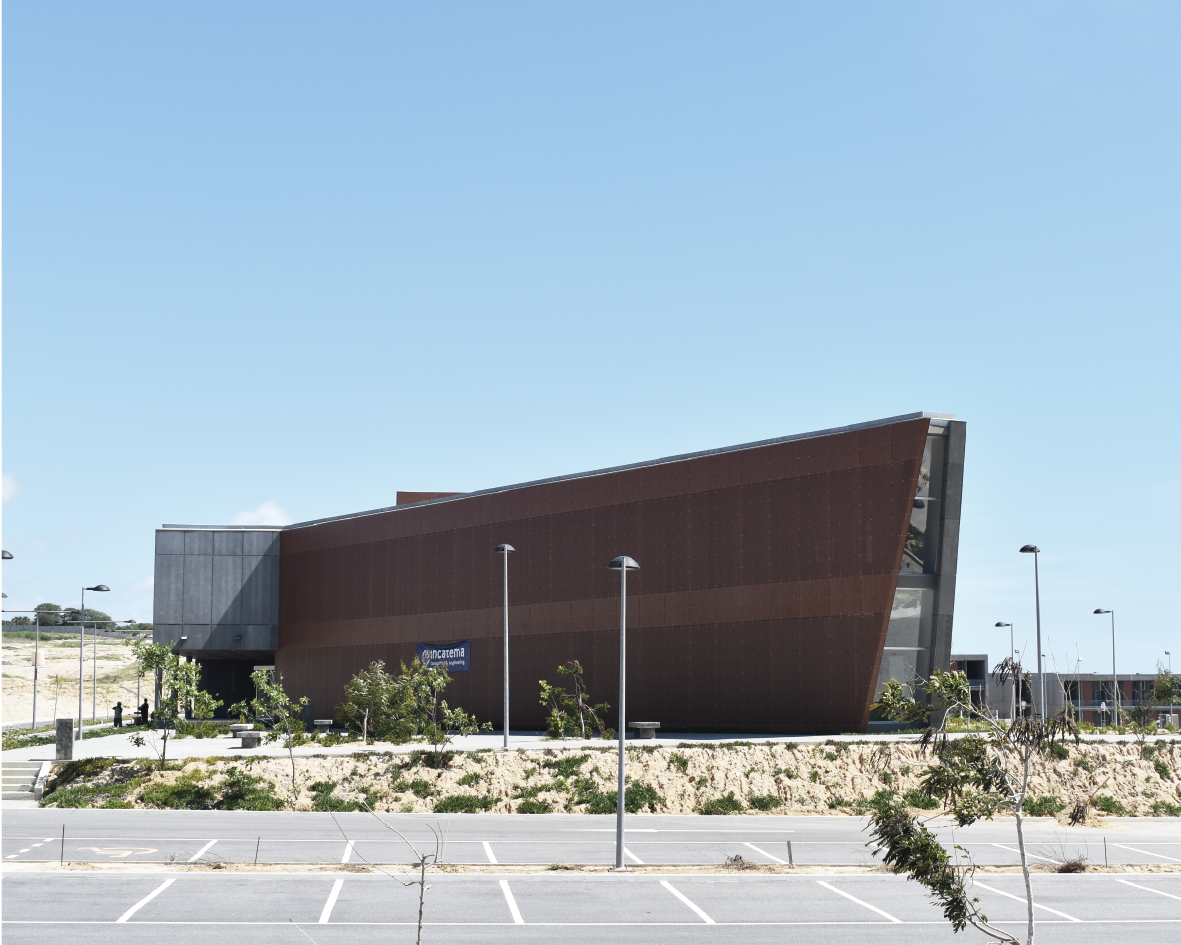
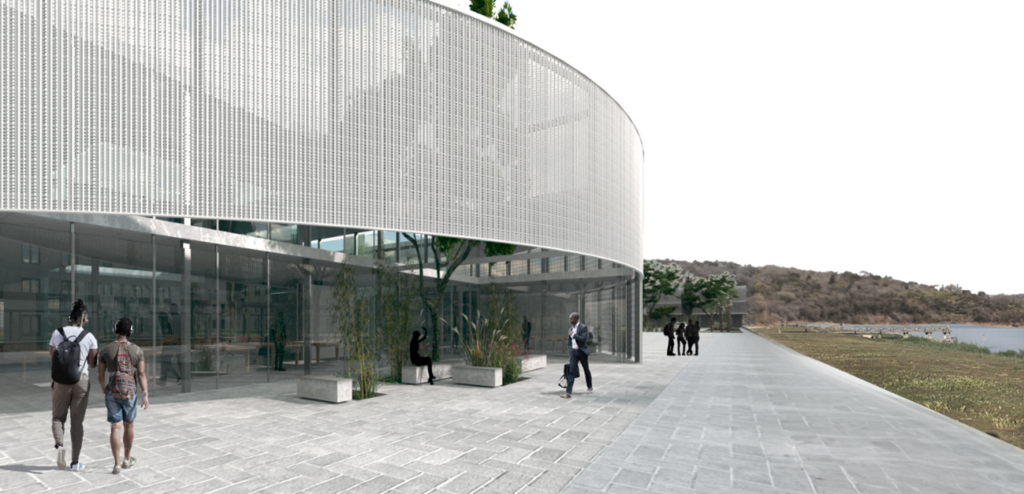
An example of this is the Higher Institute of Educational Sciences of Uíge (ISCED) in Angola, a project that continues to progress according to plan and which represents Incatema's vision of how educational spaces should be conceived in the 21st century.
"Educational architecture is not just about building classrooms; it is about creating ecosystems that inspire, connect and enable better learning," says Mr Jaime Bigeriego, head of Incatema's Architecture Department.
The ISCED of Uíge has been designed under criteria of functionality, sustainability and efficiency, integrating solutions adapted to the local climate, natural ventilation, energy optimisation and spaces for interaction between students and teachers conceived for active methodologies. Its objective is clear: to train Angola's future teachers in an environment conducive to academic excellence.
"When we design an educational centre, we think about how each space can enhance the learning experience. Architecture is an essential pedagogical ally to ensure that this experience is at the service of the student and that he or she can thus reach his or her maximum potential. This is especially relevant when designing buildings in environments with demanding climatic conditions, as is the case in Angola," emphasizes Mr Jaime Bigeriego.
This project is part of the TEST Project, promoted by the Angolan Ministry of Higher Education and financed by the World Bank, the Global Partnership for Education and the Angolan Government. Its steady progress during 2025 reflects the strength of institutional planning and coordination.
Technical education and training centres
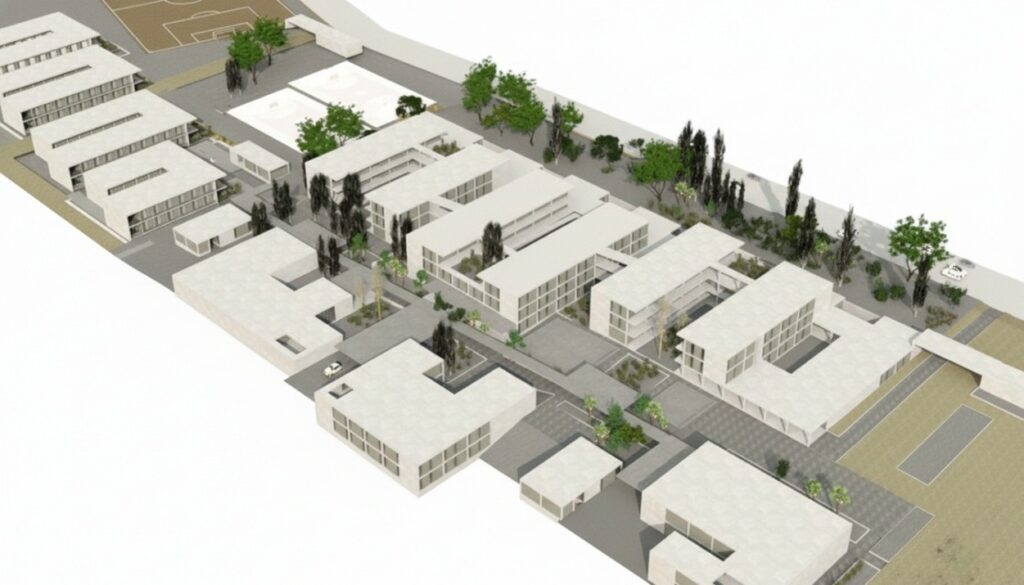
Over the years, Incatema has developed several projects where architecture becomes an engine of social development. Among them, the CEFOPESCAS Basic Fishing Training School, which today functions as a reference educational complex in Angola, thanks to an architecture designed to promote practical learning and professional training, stands out. The campus integrates classrooms, specialised laboratories, navigation simulators, library, computer rooms and medical spaces, along with student and faculty residences.
It also boats a dining room and sports areas, forming a complete and self-sufficient educational environment. "Its design responds to the climate and coastal conditions, favouring natural ventilation, solar protection, durability of materials and low maintenance costs, which guarantees comfort, efficiency and sustainability," adds Mr Bigeriego. At full capacity, the centre offers a modern and functional space where more than 300 students are trained each year in fishing and sailing techniques, demonstrating how well-conceived architecture can become a direct driver of education and development.
A solid track record in educational architecture
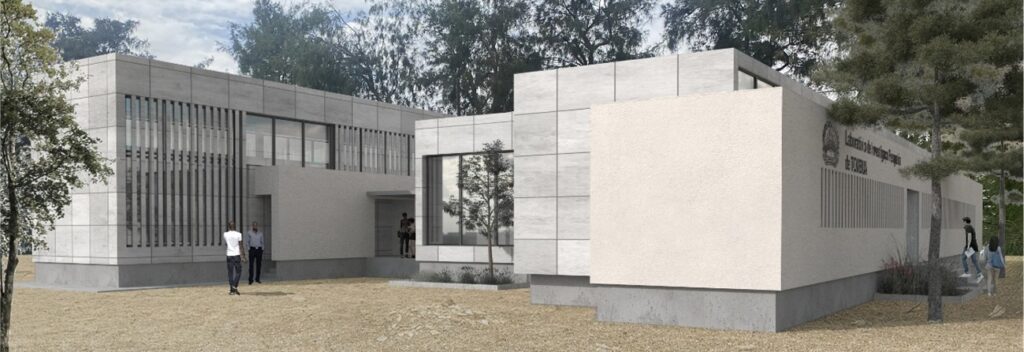
Also in Angola, and through its subsidiary Incatuk, we are in the process of carrying out an ambitious project for the design, rehabilitation and construction of new Fisheries Research Centres in Tombua, Moçâmedes and Lobito. These facilities are designed to strengthen scientific research, quality control and technical training in the fishing sector, with the aim of boosting economic development and the integration of Angola into international value chains.
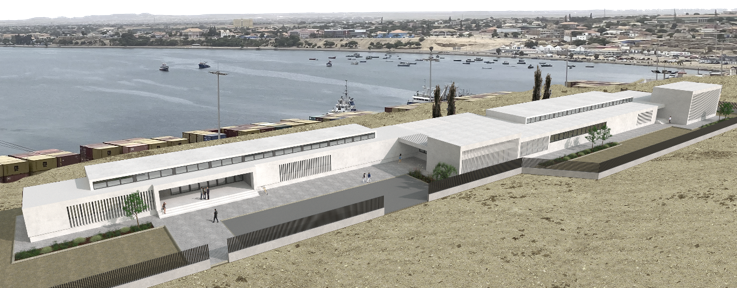
These 3 centres include state-of-the-art laboratories, training rooms, residences for researchers and living spaces. The infrastructure is designed to facilitate knowledge transfer and specialised training, offering safe and modern environments that favour practical and theoretical education. In addition, the project includes urban and accessibility improvements, creating an optimal environment for learning and scientific research for the benefit of the national fishing sector.
Incatema's commitment to education as an engine for development
Incatema's commitment to architecture for education has been unwavering from the beginning.
The company is currently working on several projects such as the Instituto Superior Agrario Quizenga Malanje, Instituto Superior Politécnico do Soyo, the Escola Superior de M'banza Congo in Angola and the Centro de Formação Profissional de Eletricidade de Bingerville in Ivory Coast.
This firm commitment to architectural excellence has led him to receive several awards such as honourable mentions in the competitions for the Almuñécar Municipal Market and the centre for the promotion and image of Agricultural, Livestock and Forestry Products of Galicia, the third prize for the project of the Municipal Auditorium Theatre of Illescas, as well as the first prize in the competition for the new Faculty of Health Sciences of the University of Alicante.
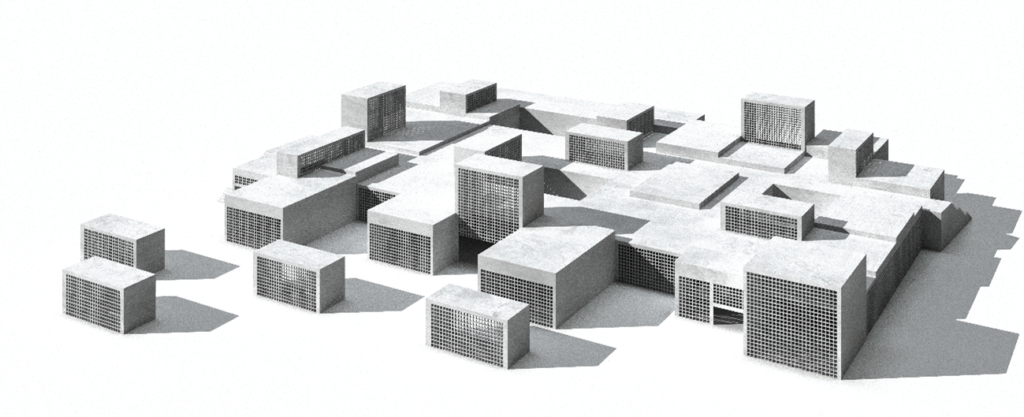
In other areas of the architectural sector, Incatema has also designed buildings that provide a backbone and promote local development, such as the Ounaminthe market, an international cooperation project with a budget of 9 million euros, financed by the European Union for the National Directorate of Drinking Water and Sanitation of the Government of Haiti (DINEPA).
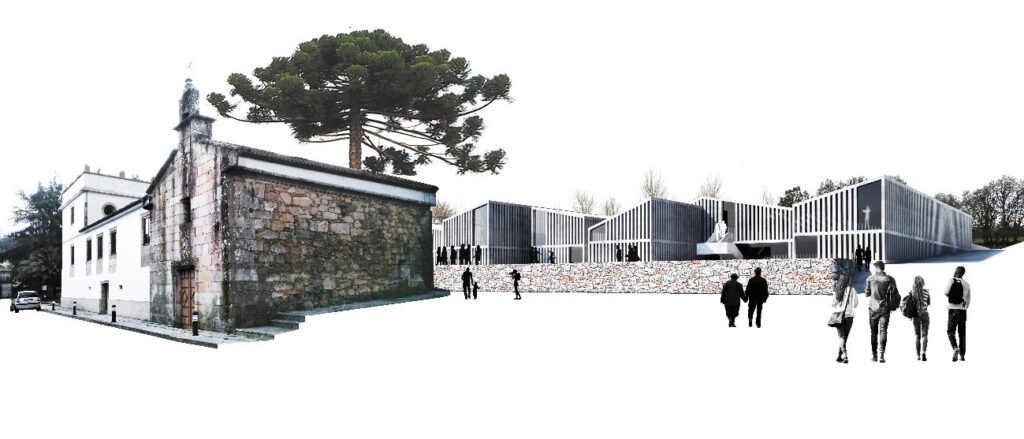
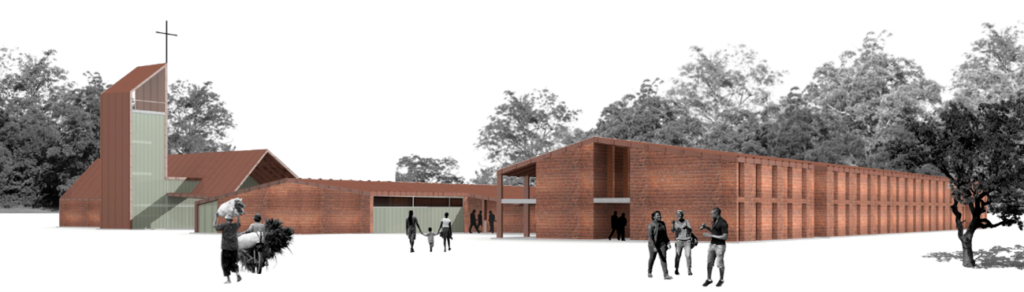
Another interesting architectural example is the Luebo Church Training Centre, located in the Democratic Republic of Congo. It is a complex designed as a central public space that articulates different buildings with both public and private functions, including a chapel, lecture hall, library, school complex, trainers' house, administrative offices, student building, dining hall and guest rooms.
"The architectural layout," notes Mr Bigeriego, "incorporates covered walkways and pitched roofs to protect from rain and sun, and uses low-cost, low-maintenance materials suitable for the environment where it is located.
Architecture for transforming the future
At a time when education is globally recognised as an essential pillar for sustainable development, Incatema reaffirms its commitment to continue designing infrastructures that boost learning, strengthen capacities and generate real opportunities for communities. The experience accumulated in Angola and other African countries demonstrates that architecture, when conceived with purpose, can become an agent of social transformation.
Projects such as ISCED in Uíge, CEFOPESCAS or the fisheries research centres demonstrate a clear vision: to create spaces that not only respond to present needs, but also accompany the educational and economic progress of future generations. On this International Education Day, we renew our conviction that to build better is also to educate better, and that every project is an opportunity to contribute to a more just, prepared and sustainable future.